
Compofilt 380: Certified Compostable Coffee Pod Filter Paper
About Compofilt 380
What Is Compofilt 380?
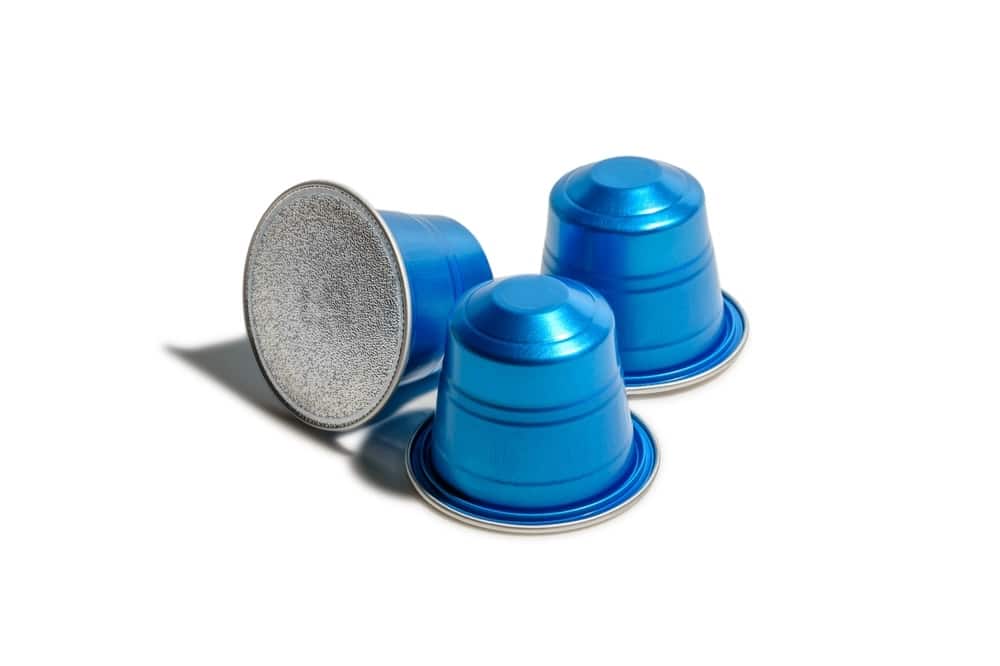
Compofilt 380 is a specialty filter paper engineered for single-serve coffee pods in high-speed production equipment, combining high-strength sustainably sourced organic fibers and renewable materials. The polylactic acid (PLA) sealing layer is engineered to meet the technical demands of high-pressure brewing systems while supporting a transition away from synthetic polymer-based (plastic) filtration materials such as polyethylene (PE) and polypropylene (PP).
Material Composition Layers
This composition enables a fully integrated filtration structure that maintains performance while reducing reliance on synthetic materials (i.e., plastic).
Structural Fiber
Abaca
Long-strand plant fiber prized for exceptional burst strength and durability under pressure.
Filtration Layer
Cellulose
Provides consistent pore structure for reliable extraction and taste clarity.
Heat-Seal Layer
Polylactic Acid
Renewable biopolymer derived from cornstarch or sugarcane. Replaces PE/PP.
Key Advantages of Compofilt 380
Built for the Demands of Modern Pod Production
Industrial Performance
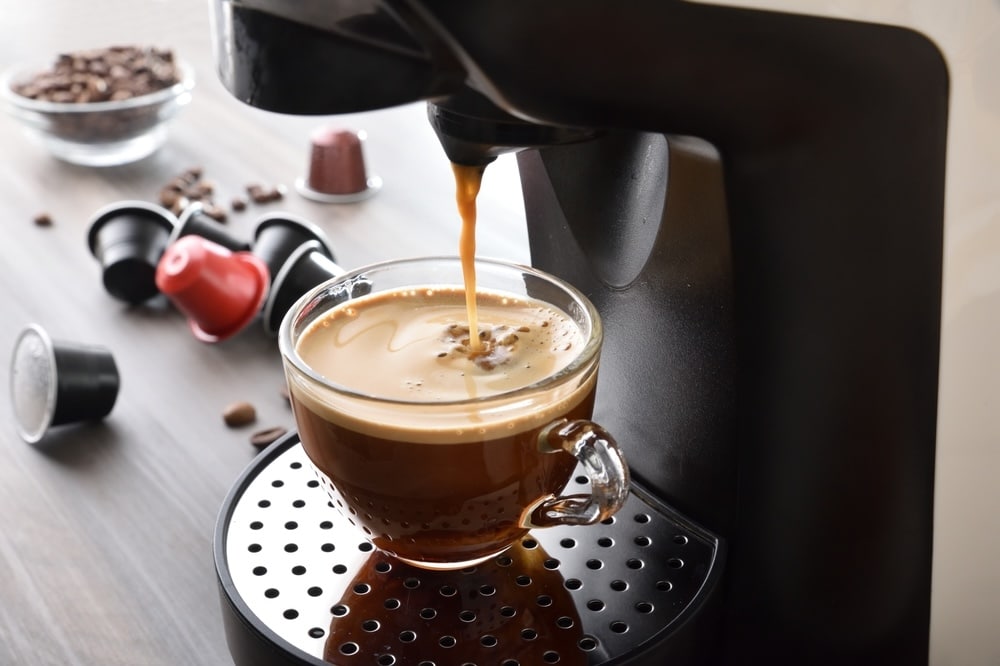
Compofilt 380 is designed to perform under the demands of modern single-serve brewing systems:
- High burst strength supports consistent extraction under pressure
- Maintains structural integrity throughout the brewing cycle
- Engineered for compatibility with high-pressure coffee pod systems
- Engineered for high-speed runnability to support increased pod per minute yield

Renewable Materials Innovation
Consumer pressure around microplastics is forcing change.
- Brands are being pushed to eliminate PE and PP filter materials
- Manufacturers are expected to respond without slowing high-speed production
- Proven alternatives have not matched performance at scale
Compofilt 380 closes that gap.
- Plant-based sealing layer replaces PE and PP
- Maintains throughput and seal integrity on high-speed lines
- Enables a transition away from microplastic-linked materials
Certified Industrial Compostability
Compofilt 380 meets globally recognized compostability standards:
- EN 13432 compliant: globally recognized industrial compostability standard
- OK Biobased 4-star certified
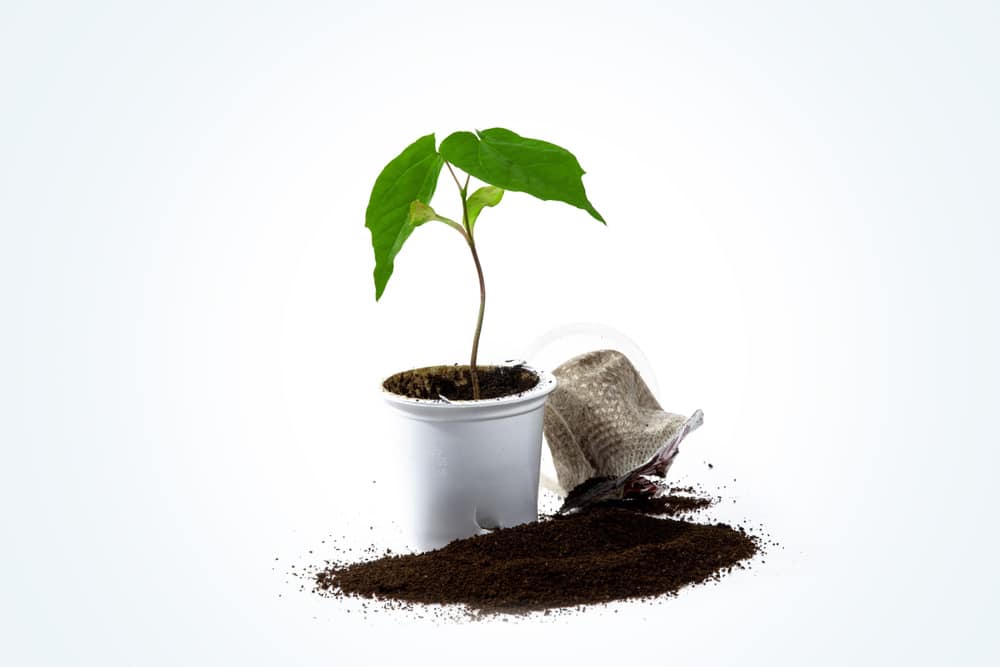
- Disintegrates in approximately 10 weeks
Note: These claims apply to the filter paper provided by Flexlink, not the pods as a whole.
Seamless Transition to Production
Compofilt 380 is engineered for real-world manufacturing environments:
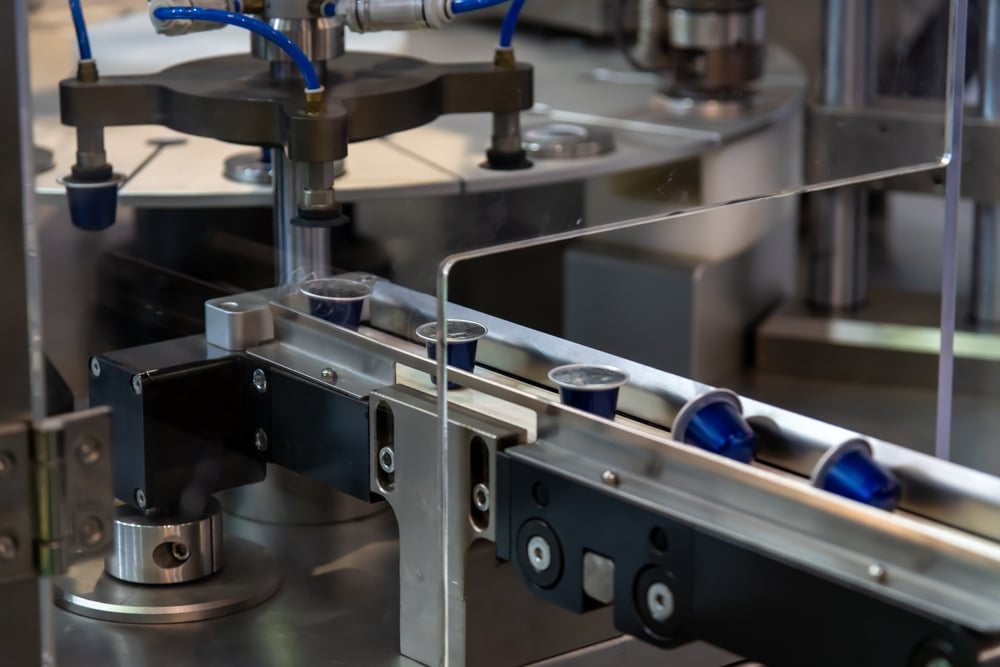
- Compatible with existing high-speed form/fill/seal production lines
- Maintain machine throughput/output yield
- Volume-based pricing for large-scale operations
Compofilt 380 allows manufacturers to address rising consumer demand with a seamless transition to renewable non-microplastic materials.
Side-by-Side Comparison

How Compofilt 380 Compares to Conventional Filter Materials
| Category | Traditional Pod Filters | Compofilt 380 |
|---|---|---|
| Heat-seal material | Synthetic polymer sealing (PE, PP) | PLA-based renewable sealing layer |
| End-of-life pathway | Non-degradable waste stream | Certified compostable (EN 13432) |
| Extraction consistency | Variable: Dependent on material grade | High burst strength for repeatable results |
| Material transparency | Limited disclosure typical | Verified composition: abaca, cellulose, PLA |
| Production compatibility | Standard | Drop-in compatible with no required line modifications |
All major manufacturer and consumer demands have been specifically addressed through this custom-engineered organic filter paper.
Frequently Asked Questions
What makes Compofilt 380 different from traditional coffee pod filter materials?
Coffee brands are under increasing pressure to eliminate polyethylene (PE) and polypropylene (PP) from their products due to growing consumer concern around microplastics.
Until recently, manufacturers have had no choice but to rely on these materials to maintain production speed, seal integrity, and consistent performance.
Compofilt 380 changes that.
It replaces traditional PE and PP sealing layers with a renewable, plant-based alternative, allowing manufacturers to move away from petroleum-derived materials without sacrificing the strength, sealing performance, and reliability required for high-speed, high-pressure single-serve systems.
Does using renewable materials affect coffee taste or quality?
No. Compofilt 380 is engineered for sensory neutrality, meaning it does not introduce unwanted flavors or odors. Its structure helps minimize grounds in the cup, supporting a clean and consistent taste profile across brewing conditions.
Is Compofilt 380 compatible with existing production equipment?
Yes. It is designed to run on standard and specialized form/fill/seal production lines without requiring modifications. Manufacturers can transition to renewable materials without sacrificing machine efficiency or output speed. In some cases we’ve seen, making the switch to Compolift 380 has led to an increase in efficiency.
What compostability certifications does Compofilt 380 hold?
Compofilt 380 meets EN 13432, the internationally recognized standard for industrial compostability. It is also OK Biobased 4-star certified. Under appropriate composting conditions, it disintegrates in approximately 10 weeks.
Why PLA instead of traditional synthetic polymers for heat sealing?
PLA (polylactic acid) is a renewable biopolymer derived from plant-based inputs such as cornstarch or sugarcane. It provides effective heat-sealing performance while eliminating the petroleum-based materials traditionally used in this application to align with evolving regulatory expectations, procurement sustainability criteria, and consumer demands.
Are there other compostable grades besides 38 gsm?
While Compofilt 380 specifically refers to a 38 g/m² grade, Flexlink supplies compostable, non-PE/PP filter papers across a broader range of basis weights.
If you are looking to transition away from polyethylene (PE) or polypropylene (PP) materials, we can support applications from 12.7 g/m² up to 38 g/m², depending on your pod format, equipment, and performance requirements.
Contact us to identify the right compostable grade for your production environment.

Request Technical Data or a Quote
Call us at (216) 283–6107 or click the below button to discuss how Flexlink can be of service to you.